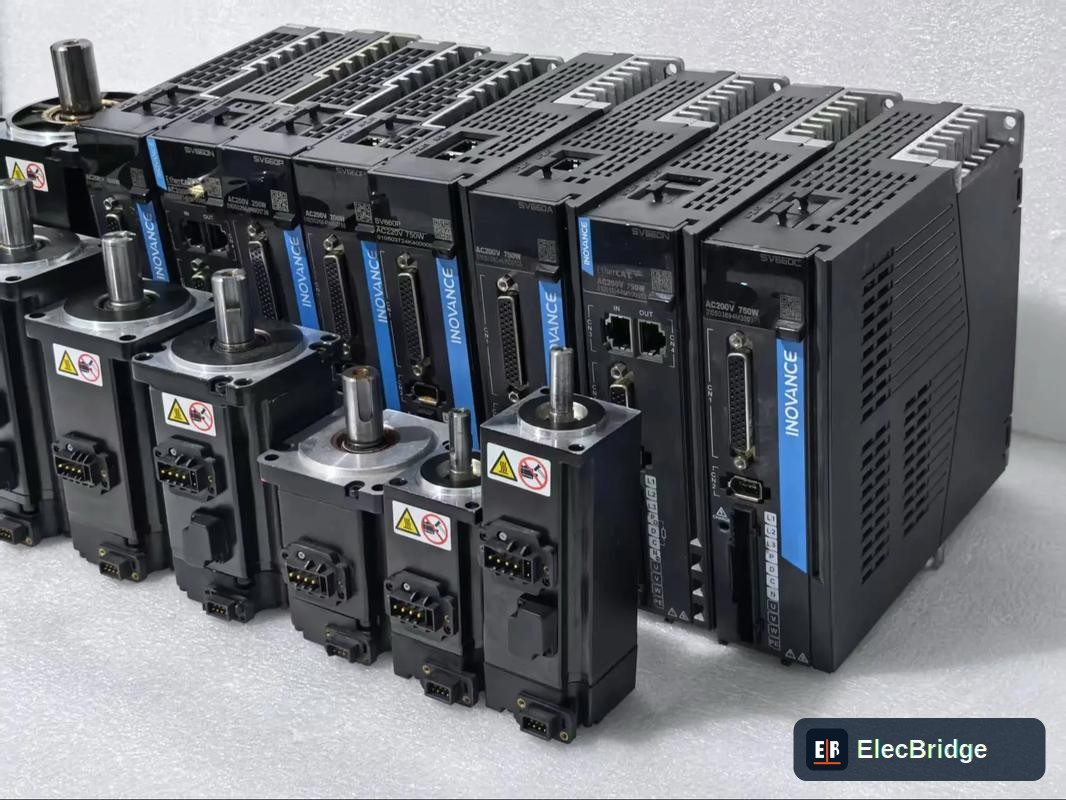
Whether you need Schneider, ABB, Siemens, Mitsubishi or Omron, or Chinese brands like Inovance, Delta, CHINT and Delixi, we work entirely on the buyer's side — helping you select the right parts, find cost-effective alternatives where they make sense, and control supplier and shipment risk. We tell you how we earn before we start.
Selection · sourcing · QC · logistics — handled end to end, with continued support after delivery.
Three situations, three strategies — from keeping your exact brands to a fully cost-optimized build. Each is based on engineering logic, not sales talk.
China's large procurement volume and intense price competition mean the same products are often priced well below other markets. Without changing your brands or your BOM, we can typically cut your procurement cost by 5–15% — purely through better sourcing channels.
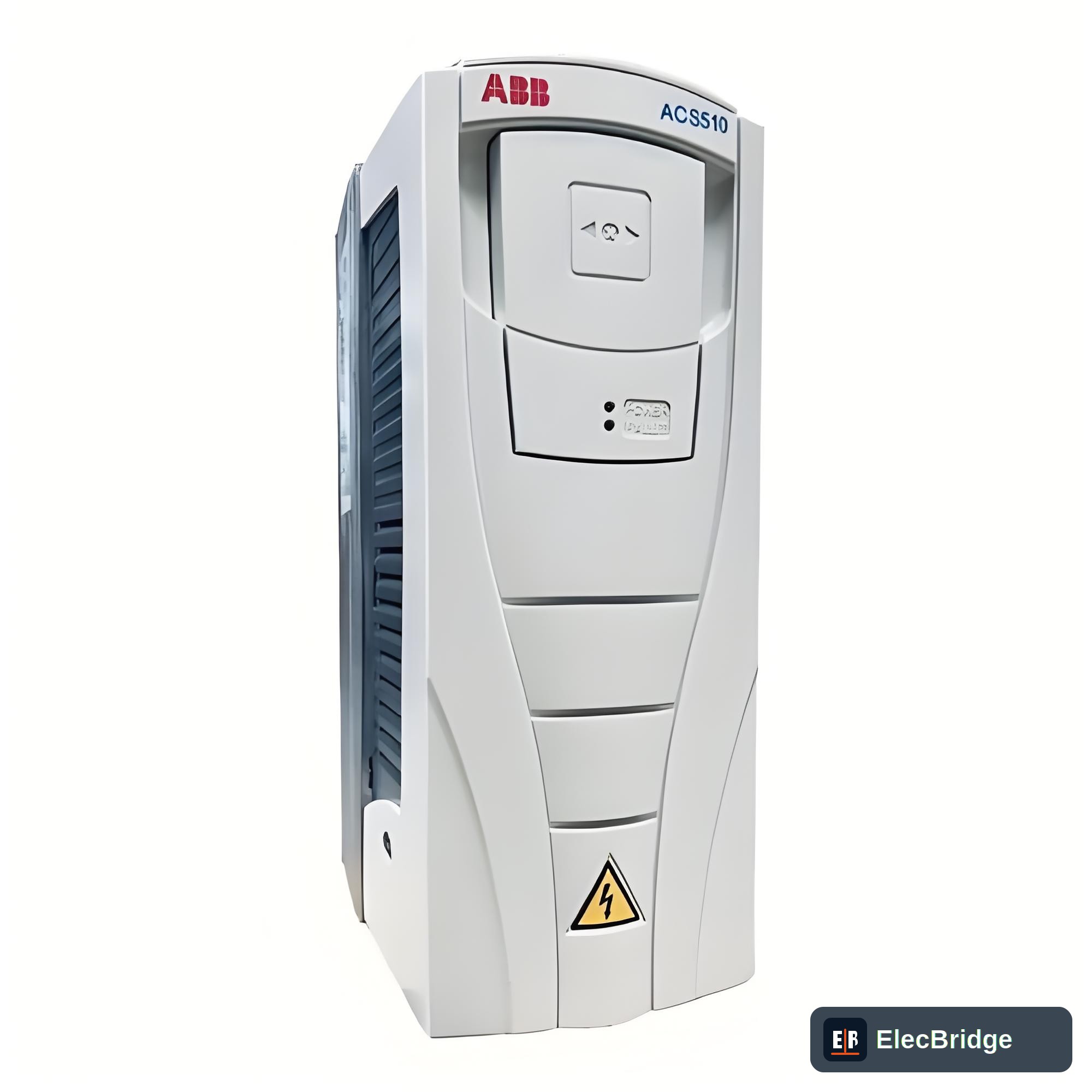
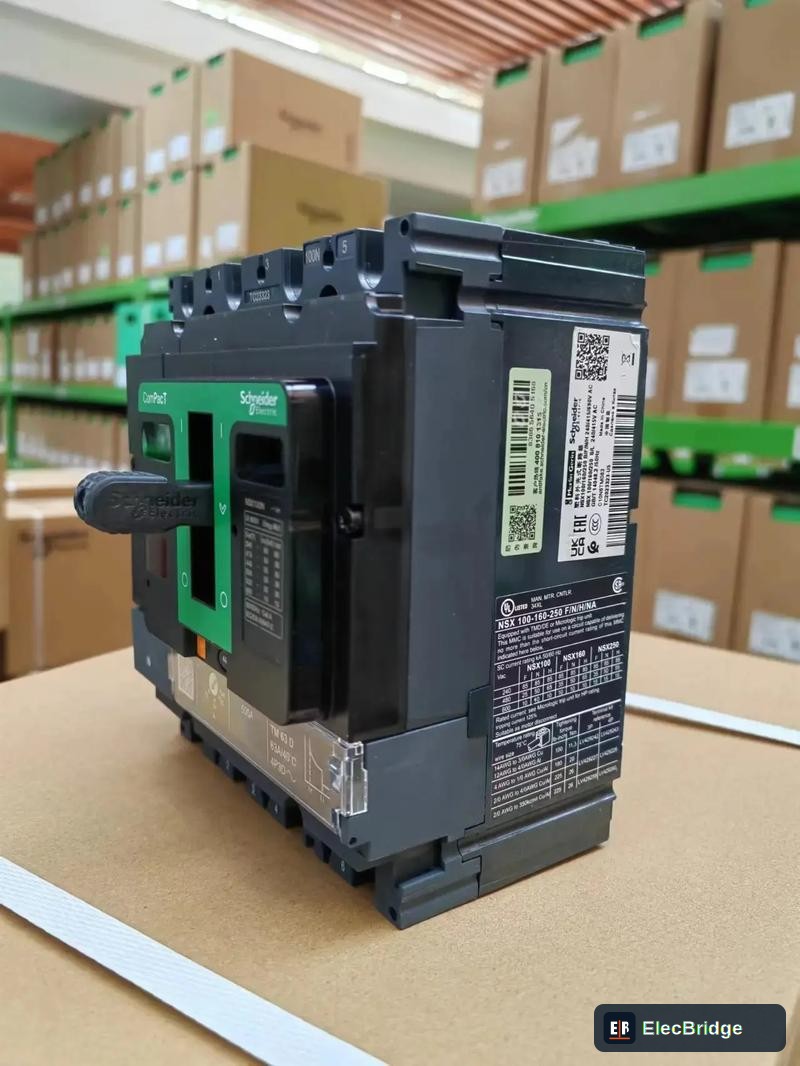
Within the same tier (international or Chinese brands), we find more cost-effective equivalents where they make sense — for example, keeping the Schneider main breaker while moving branch breakers to CHINT or LS, or cross-referencing an ABB VFD to Inovance where the application allows.
With no brand restriction, we use 19 years of experience to build the most cost-effective overall solution — a coherent set of leading Chinese brands selected for long-term supply stability. Suited to OEM batch production and distributor ranges.
We work on your side — helping you buy the most suitable, most cost-effective parts, regardless of which brand they come from.
The same Schneider or ABB device is often priced well below what you pay in many other markets — an advantage of China's market scale. Without changing brands, we can already save you money.
One wrong model can mean a discontinued part, rework, or a delayed project. 19 years of engineering experience help you avoid these traps before you place the order.
Language, technical communication, inspection and QC, logistics and customs — we handle it. You tell us what you need, and we take care of the rest.
We work for long-term cooperation, not single transactions. We continue to support you after delivery, with the scope of responsibility agreed in writing before the order.
You can start with any of these. Most buyers begin by letting us review a purchase they're already negotiating — and only take the next step if they find it useful.
Their volume is big enough to fear getting burned, but not big enough to justify their own China sourcing team — which is exactly where we fit in.
Whether you're switching to another international brand or a Chinese one — when you can replace, when you can't, and what to watch out for. This isn't advertising; it's real technical judgment.
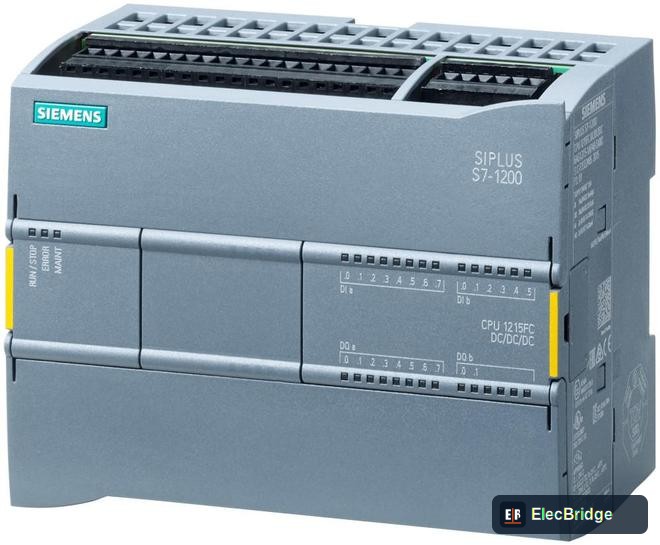
The same Siemens may already cost less from the China market than what you pay now. And if you're open to an alternative, there are more cost-effective options within the same tier:
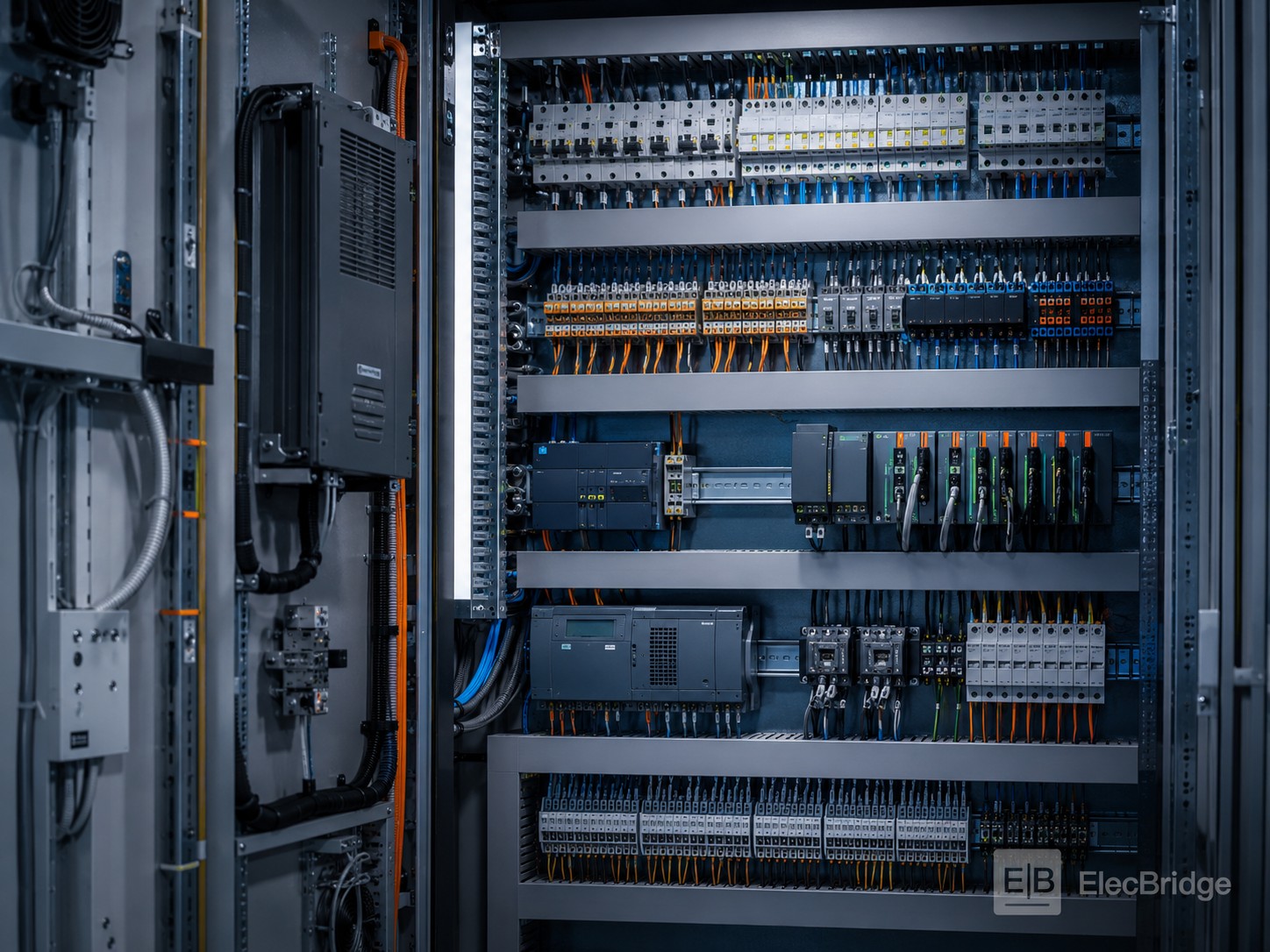
A distribution panel doesn't have to be "all or nothing." Our usual approach is to work in layers — controlling cost without taking risks on safety or acceptance:
Yes — but only if the brand and model are chosen correctly. This is where exported equipment most often runs into trouble, and where expert checking matters most:
For most packaging applications, mainstream Chinese servos are good enough. But switching brands across an OEM batch is a serious decision — not one to make from a datasheet alone:
Three kinds of content: how to avoid sourcing traps, honest assessments of Chinese brands, and the latest on China's supply chain. Not marketing — real information to help you make better sourcing decisions.
A business license is only the first step. What really separates a factory from a trader is six details — from how they answer technical questions to the structure of their quote.
As an engineer who has used it for years, here's the honest take: where it's strong, where it's weak, when I'd recommend it, and when I wouldn't.
Copper prices, capacity, exchange rates — how these factors moved the ex-works prices of mainstream Chinese brands this year. A reference for your sourcing plans.
How much deposit is reasonable, when to pay the balance, and how to use payment milestones to protect yourself — where newcomers most often get burned.
You can save without switching brands — how big the price advantage of China's market scale really is, and when you benefit from it directly.
What to check in a pre-shipment inspection, how to run a video inspection, and what a test report should cover — stopping risk before the goods ship.
I entered the low-voltage electrical industry in 2007, the year I graduated. I've been at it for 19 years since.
Over those years I've worked as an engineer, a technical solution designer, a salesperson, and a system integrator. I know the products of the major Chinese industrial brands, and I know the real prices, channels and authorizations of Schneider, ABB and Siemens in the China market. None of this came from a brochure — it came from 19 years with real machines, real drawings, and real customers.
Along the way, I've seen too many overseas buyers take losses they shouldn't have when sourcing from China — the wrong model, an inflated price, no one to turn to when something went wrong. Not because the products were bad, but because they had no one beside them who truly knew the field and genuinely had their interests at heart.
So I decided to do one thing: build a China sourcing partner that genuinely works on the buyer's side.
Whether you need an international brand or a Chinese one, I help you buy the most cost-effective, most suitable option. What keeps a business going long-term is never squeezing a customer on one order — it's making them want to come back.
No spin, no sales talk — these are the questions buyers ask most, answered as straight as we can.
Send us the purchase you're working on and see whether there's room to cut cost or avoid a trap.
No upfront fee · no hard sell · if it's not a fit, we'll tell you straight